A global infrastructure for funding, conducting, discovering, and independently evaluating research into the human past.

We don't fund conclusions. We fund questions.

There are questions about who we are that no one is paying to answer. Now you can.

Pick one. Fund the work. Watch the evidence come in — in public, milestone by milestone.

Alexandria Project backs researchers investigating unresolved questions in archaeology and ancient history. Every result is published to a permanent public archive — including the ones that don't work out.

Founding backers help choose the first questions we fund — and are named in the launch archive.

Choose a question · Fund a milestone · See the evidence

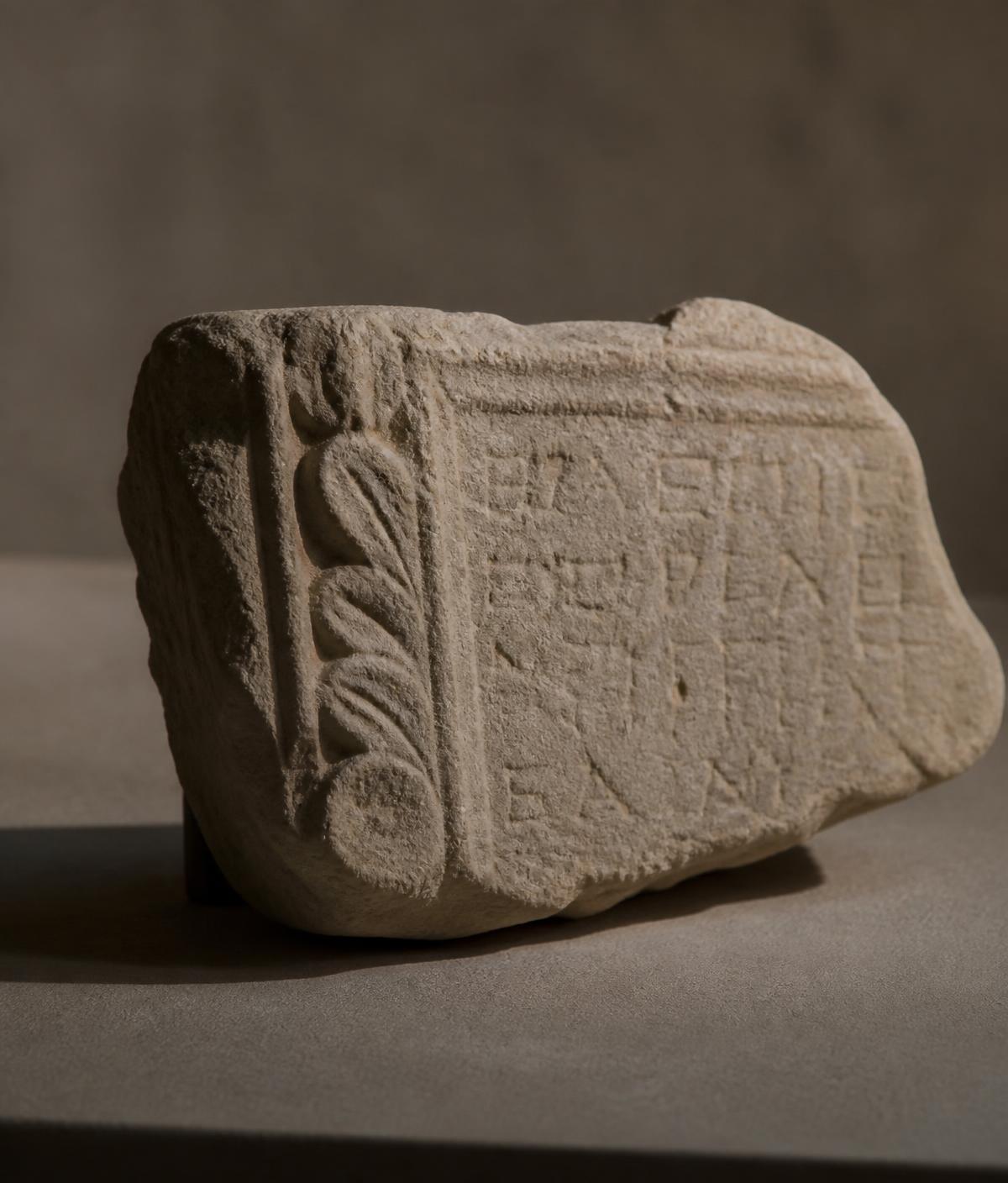
An inscribed ancient stone fragment lit from the side on a museum surface.

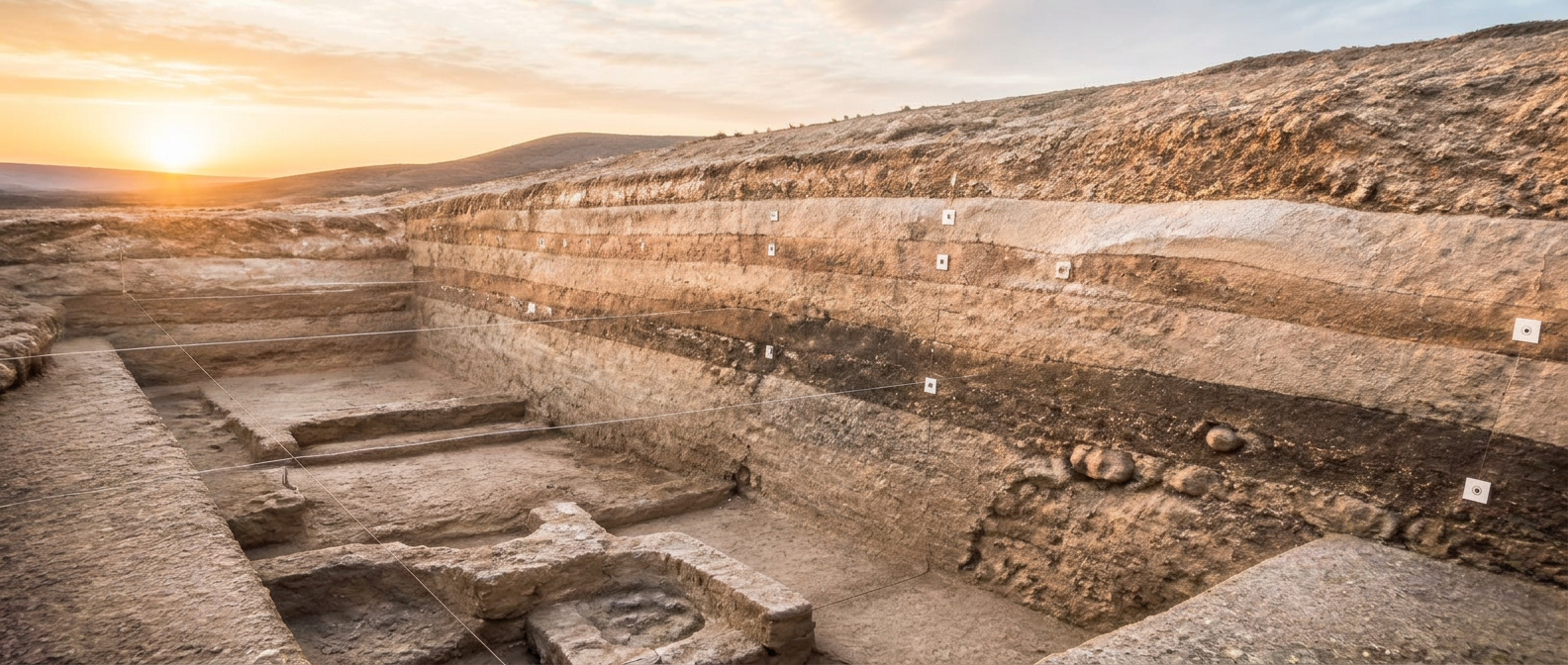
Each layer is a milestone. Questions are funded in layers, in public, and the record of how they were funded stays part of the archive.

Open dataIndependent reviewA public ledger for every dollar

The loop

How it works

  1. 01

    Discover

    Browse unresolved questions with their evidence and methodology laid out.

  2. 02

    Fund

    Back the questions you want answered. Small, recurring, contributor-directed.

  3. 03

    Research

    Vetted researchers execute against public milestones.

  4. 04

    Verify

    Independent reviewers sign off before funds are released.

  5. 05

    Publish

    Findings — and the raw data — enter a permanent public archive, free for anyone to build on.

…and every answer opens new questions. The archive doesn’t empty — it compounds.

“Controversial is acceptable. Unsupported is not.”

The compounding effect

Every answer makes the next one cheaper.

Funded work leaves behind data, methods, and evidence that never expire. The next researcher starts where the last one stopped — so the archive gets smarter every time a question is answered.

  1. 01

    Question

    An unresolved question, published with its method.

  2. 02

    Funded work

    Contributors direct money to the work that tests it.

  3. 03

    Evidence & open data

    Findings and raw data enter the permanent archive.

  4. 04

    New questions

    What the evidence opens up becomes the next question.

Why Alexandria exists

Why so many questions go unanswered

The money is locked up.

Research funding moves through committees and grant cycles that can take years — and the public, who actually cares, has no way in.

The answers vanish.

What does get funded ends up behind paywalls or buried in a PDF. The dead ends — often the most useful part — are never published at all.

Nobody can check the claims.

Big claims about the past go viral with no way to tell evidence from speculation. Curiosity deserves better than a documentary's word for it.

A preview

Questions waiting for someone to fund them.

Illustrative examples — the live archive opens with the waitlist.

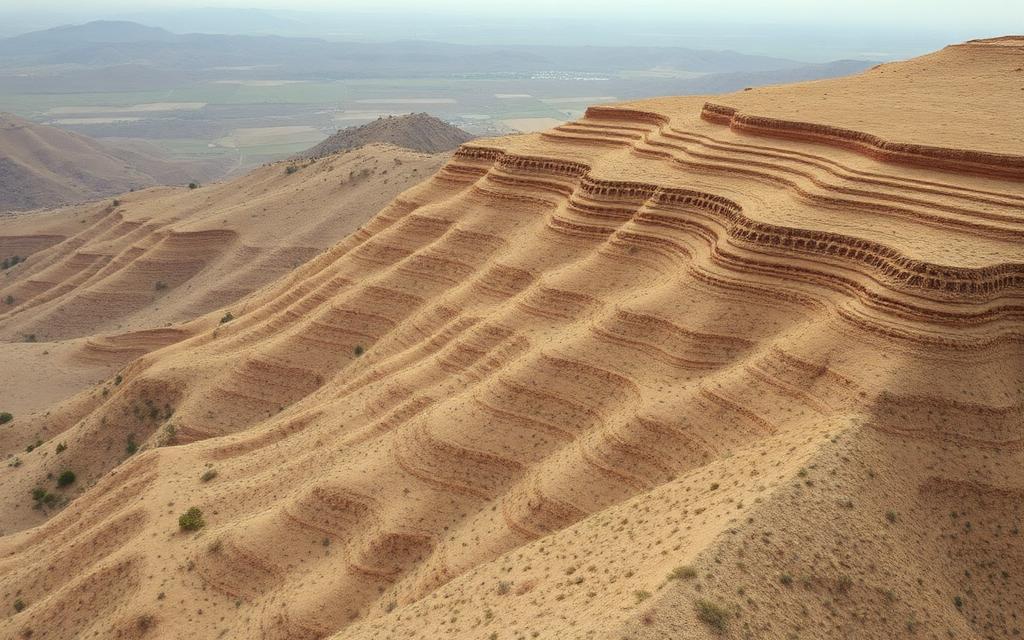
Aerial survey view of a dry hillside escarpment showing faint terracing.

ES-014

Mapping the Escarpment

Remote sensing

How far does undocumented agricultural terracing extend along the escarpment?

Methodology: Airborne LiDAR survey with ground-truth transects for undocumented agricultural terracing.

Why it matters: If the terraces run further than recorded, the region fed far more people than we credit it for.

$31,200 of $48,000 · 3 of 6 milestones

Researcher: [Placeholder — fictional]
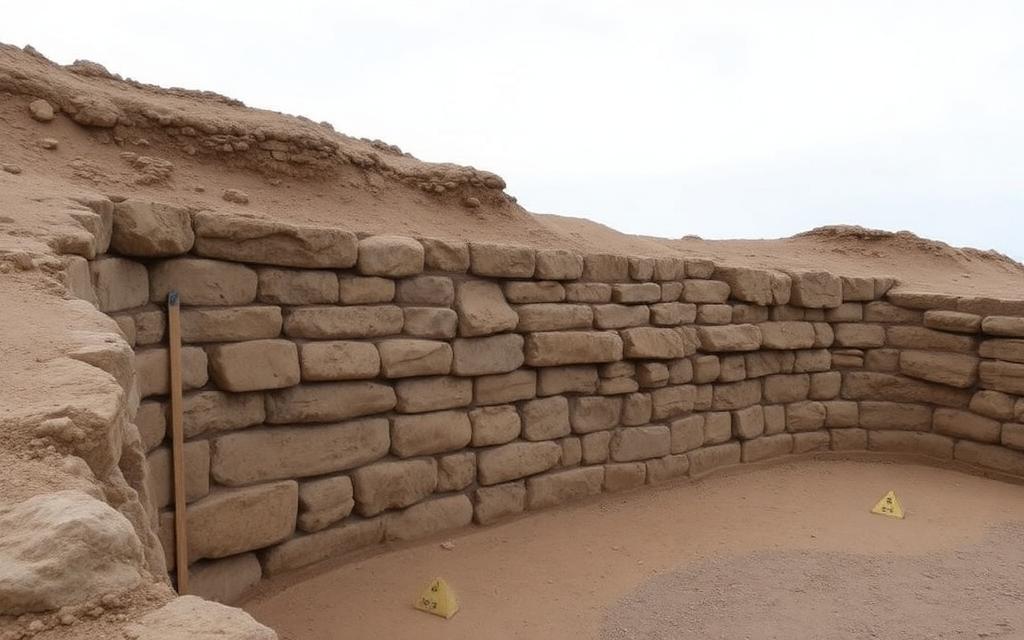
Excavated stone platform wall with visible stratigraphic layers and survey markers.

NP-002

Re-dating the North Platform

Archaeological dating

Were the platform's construction phases separated by centuries, or by a single generation?

Methodology: AMS radiocarbon series with Bayesian chronological modelling of construction phases.

Why it matters: Centuries or one generation decides whether this was a dynasty's project or one community's.

$18,600 of $22,000 · 4 of 5 milestones

Researcher: [Placeholder — fictional]
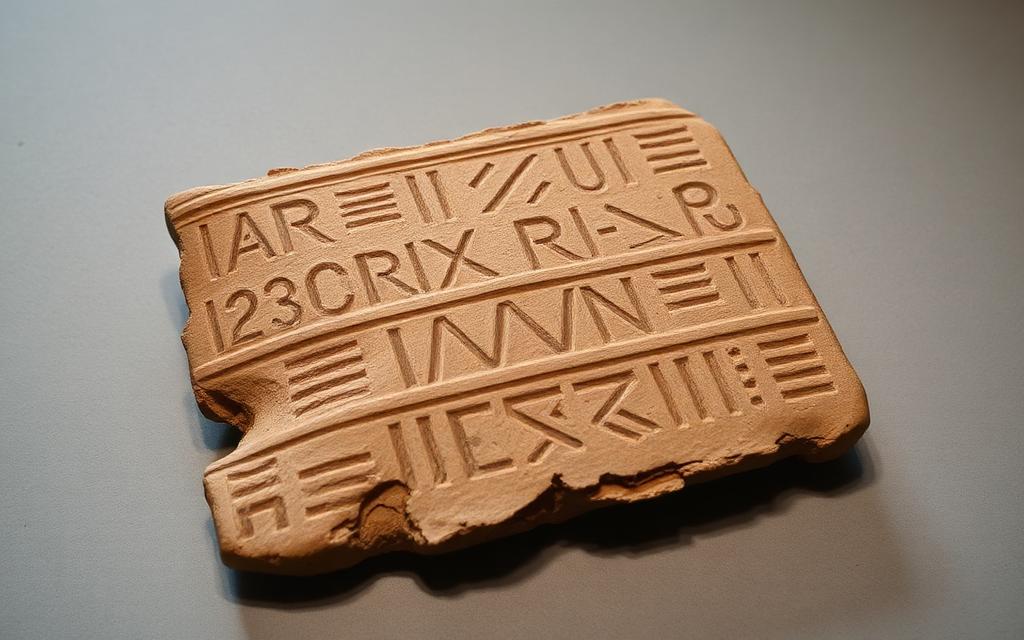
Fragment of an inscribed clay tablet photographed on a neutral ground.

UC-031

The Undeciphered Corpus

EpigraphyAncient languages

Does the inscription set encode a language, an accounting system, or neither?

Methodology: Digital paleography and structured transcription of an untranslated inscription set.

Why it matters: Deciding language versus ledger determines whether a whole society left us words or accounts.

$9,400 of $31,000 · 2 of 7 milestones

Researcher: [Placeholder — fictional]
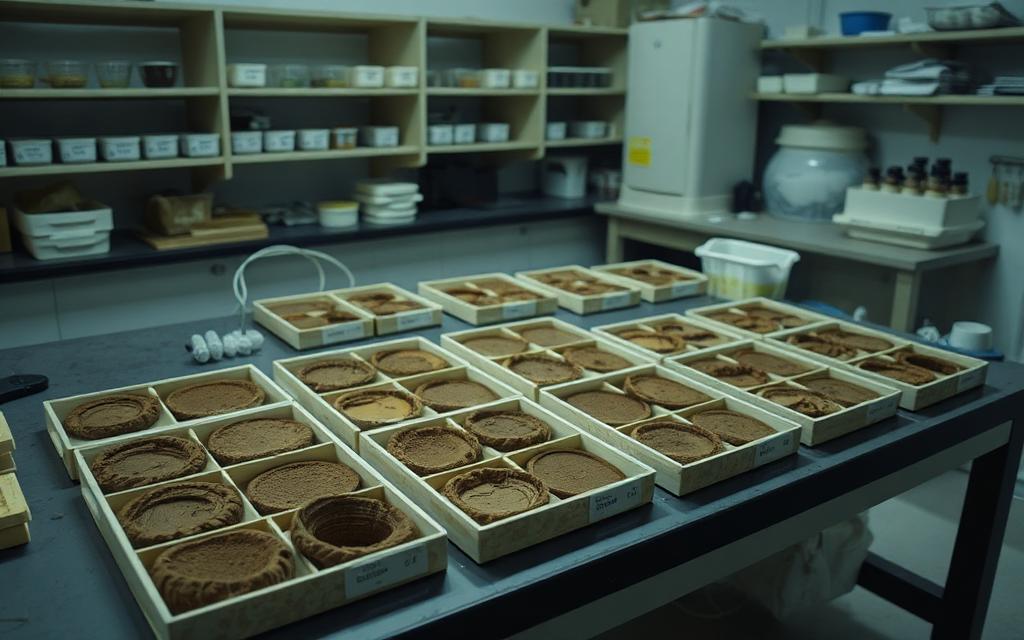
Split sediment cores laid out in labelled trays on a laboratory bench.

FP-056

Cores from the Floodplain

Geoarchaeology

Do three separated sites record the same inundation event, or three unrelated ones?

Methodology: Sediment coring to test whether separated sites record a temporally correlated inundation.

Why it matters: A single correlated flood would rewrite why three settlements were abandoned at once.

$40,100 of $56,000 · 5 of 8 milestones

Researcher: [Placeholder — fictional]
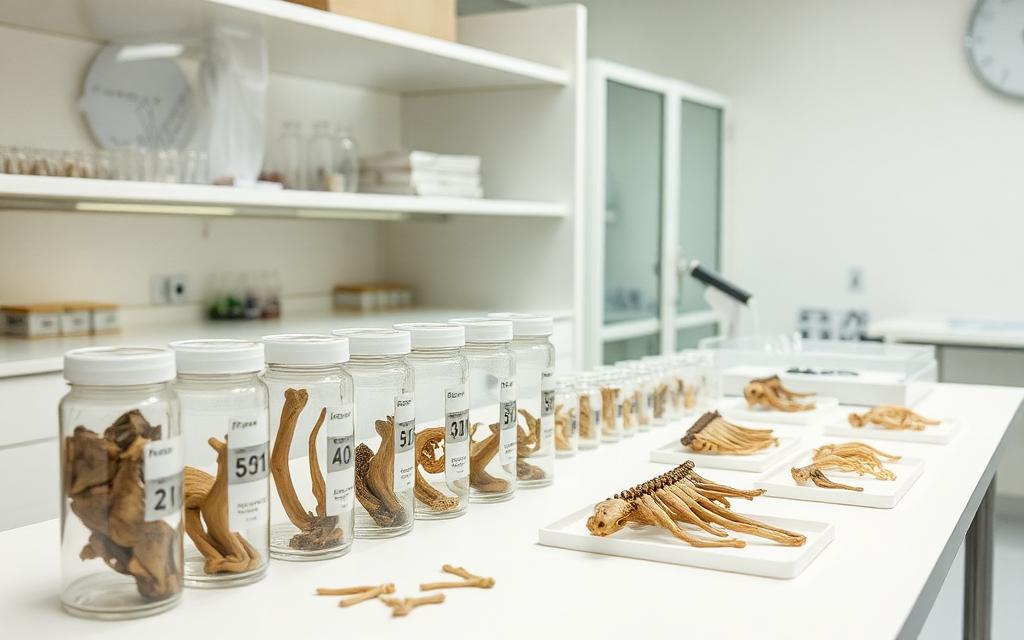
Labelled museum faunal bone samples arranged on a clean laboratory bench.

MG-040

Museum-Shelf Genomes

Archaeogenetics

What can already-excavated museum faunal collections tell us without new excavation?

Methodology: aDNA extraction from existing museum faunal samples — no new excavation.

Why it matters: Answers may already sit on museum shelves — no new digging, no further damage to sites.

$12,750 of $40,000 · 1 of 5 milestones

Researcher: [Placeholder — fictional]

Claim a founding spot

These are examples. Waitlist members see the real ones first.

The model

How funding works

A recurring contribution you direct yourself: you choose the questions, funds release against reviewed milestones, and roughly 80% goes to the research itself.

Explorer

$5 / month

Fund one open question at a time and follow every milestone as it's met.

Start here

Supporter

$20 / month

Back several questions at once and watch the evidence land across all of them.

Start here

Patron

$100 / month

Underwrite an entire milestone yourself — and get the full evidence record the moment it's delivered.

Start here

Founding members

First milestone funded at launch

The Founding Circle

The first 500 backers shape what Alexandria funds first. Founding members help choose the opening slate of questions, are named in the permanent launch archive, and lock in founding pricing for life.

Claim a founding spot

Trust & governance

Built to be checked.

Researcher vetting, in tiers.

Verified (credentialed or institutional), Vetted Independent (non-accredited but methodologically reviewed against explicit criteria), and Community (early-stage, clearly labelled, not yet fundable).

Milestone-based release.

Funds release only as independently-reviewed milestones are met, and a complete public ledger shows each contribution's path.

Every question states its method.

Methodology, falsification criteria, and conflicts of interest are published with the question, before any money moves.

Negative results are published.

Inconclusive and negative findings enter the archive too, and count as successful research.

An academic advisory board.

Advisory board forming — names listed at launch.

We’re building the open infrastructure for how humanity investigates its own past — funded by anyone, conducted in the open, and free for everyone to inspect.

An excavation trench at dawn with exposed stratigraphic layers, survey string and labelled markers.
Stratigraphy: the record reads from the bottom up. So does the archive.

The bridge

For researchers

Alexandria funds serious questions that don’t fit a grant cycle — proposed by researchers, vetted for method, and carried out in the open.
Credentialed or independent: if the work is rigorous, there’s a path to fund it here.

Read the researcher brief →

Questions about the questions

FAQ

Where this goes

Funding is where it starts.

Every funded question adds to something larger: an open archive you can search, evidence you can trace to its source, results anyone can challenge or replicate, and a place where researchers and the curious public work in the open. We’re starting with the funding. We’re building toward the infrastructure for how the human past gets investigated — permanently, transparently, together.

Get in at the start →

Be there when the first questions open.

Founding members get first look at the opening questions, a vote on which get funded first, and founding pricing for life. One email is all it takes.

No payment now.

No spam. One note when the archive opens, and nothing else.

Claim a founding spot